Understanding Hard Water in Alabama
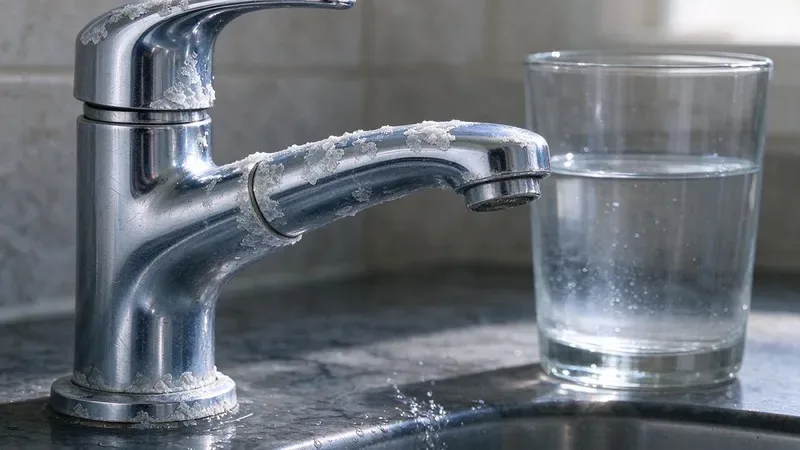
Many homeowners across Alabama, from the Tennessee Valley to the Gulf Coast, contend with hard water. What does this mean for your plumbing and appliances? Simply put, hard water contains elevated levels of dissolved minerals, primarily calcium and magnesium. While these minerals aren't harmful to your health, they can wreak havoc on your home's plumbing system. In Alabama, our geology often contributes to higher mineral content in the water supply, especially in areas with limestone bedrock. These minerals cause scale buildup, which is that chalky residue you might see on faucets, showerheads, and inside your pipes.
This mineral accumulation isn't just an aesthetic issue. Over time, scale buildup restricts water flow in pipes, reduces the efficiency of water heaters, and can even damage appliances like dishwashers and washing machines. For a typical Alabama home, this means higher energy bills due to inefficient appliances and the need for more frequent repairs or replacements of plumbing components. Recognizing the signs of hard water is the first step toward finding a solution that protects your investment.
The Hidden Costs of Hard Water
You might be surprised by how much hard water is costing you. Let's break down some of the common expenses:
- Appliance Lifespan: Hard water significantly shortens the life of water-using appliances. Your water heater, dishwasher, washing machine, and even your coffee maker are all at risk. Scale buildup forces these appliances to work harder, leading to premature failure. Replacing a water heater, for instance, can cost anywhere from $1,000 to $3,000, depending on the type and installation complexity.
- Energy Bills: That scale buildup inside your water heater acts as an insulator, making it less efficient at heating water. This means your water heater has to run longer and use more energy to reach your desired temperature, directly increasing your utility bills. Studies show that even a small amount of scale can reduce efficiency by a notable percentage.
- Plumbing Repairs: Scale can clog showerheads, faucets, and even internal components of toilets. Over time, these mineral deposits can contribute to corrosion, leading to leaks and the need for pipe replacement. Addressing these issues can involve calling a plumber for descaling or more extensive repairs, adding to your household expenses.
- Cleaning Products: Hard water reacts poorly with soap, reducing its effectiveness. This means you have to use more laundry detergent, dish soap, and cleaning products to achieve the same level of cleanliness, leading to increased grocery bills. You might also find yourself buying specialized cleaners to combat soap scum and mineral stains.
When a Water Softener Becomes a Smart Investment
Considering the ongoing costs associated with hard water, a water softener often pays for itself over time. A properly sized and installed water softener removes those dissolved minerals, preventing scale buildup throughout your home. This leads to several significant long-term savings:
- Extended Appliance Life: With soft water, your water heater, dishwasher, and washing machine will operate more efficiently and last much longer, delaying costly replacements. This is a major factor in the return on investment.
- Lower Energy Bills: Your water heater will heat water more efficiently without scale buildup, directly reducing your energy consumption and monthly utility costs. The savings here can add up quickly over a year.
- Fewer Plumbing Repairs: By preventing mineral accumulation, you'll experience fewer clogged pipes, faucets, and showerheads, reducing the need for expensive plumbing repairs. This also helps maintain consistent water pressure throughout your home.
- Reduced Cleaning Expenses: Soap lathers better with soft water, meaning you can use less detergent and cleaning products. Your clothes will also feel softer, and dishes will come out cleaner without spots.
The upfront cost of installing a water softener in Alabama typically ranges from $1,500 to $4,000, depending on the system type and installation complexity. However, when you factor in the savings on energy, appliance replacement, and cleaning products, many homeowners find that the system pays for itself within a few years, offering continued benefits for decades.
Choosing the Right Water Softener for Your Alabama Home
Selecting the right water softener involves more than just picking a model off the shelf. It's crucial to consider the hardness level of your local water supply, your household's water usage, and the number of people living in your home. These factors determine the size and capacity of the water softener you need. For instance, a larger family in a home with very hard water will require a more robust system than a single person in an area with moderately hard water. Different types of softeners are available, including salt-based ion exchange systems, which are the most common and effective, and salt-free alternatives. Understanding the differences and what works best for Alabama's water conditions is key to a successful installation and long-term satisfaction.
When to Call a Professional
If you suspect hard water is impacting your Alabama home, or if you're ready to explore the benefits of a water softener, it's best to consult with experienced plumbing professionals. BRV Plumbing can conduct a water hardness test, assess your home's specific needs, and recommend the most efficient and cost-effective water softening solution for you. Proper installation is critical for the system to perform optimally and provide lasting protection for your plumbing and appliances. Don't let hard water erode your home's value or your peace of mind. Give us a call today at (256) 391-9413 to schedule an appointment and learn more about how a water softener can benefit your property.
Need a licensed plumber in Alabama?
BRV Plumbing answers 24/7 and offers same-day service across Alabama.